About ACMT
600 years down. What happens next?
The Story So Far
 The Story So Far
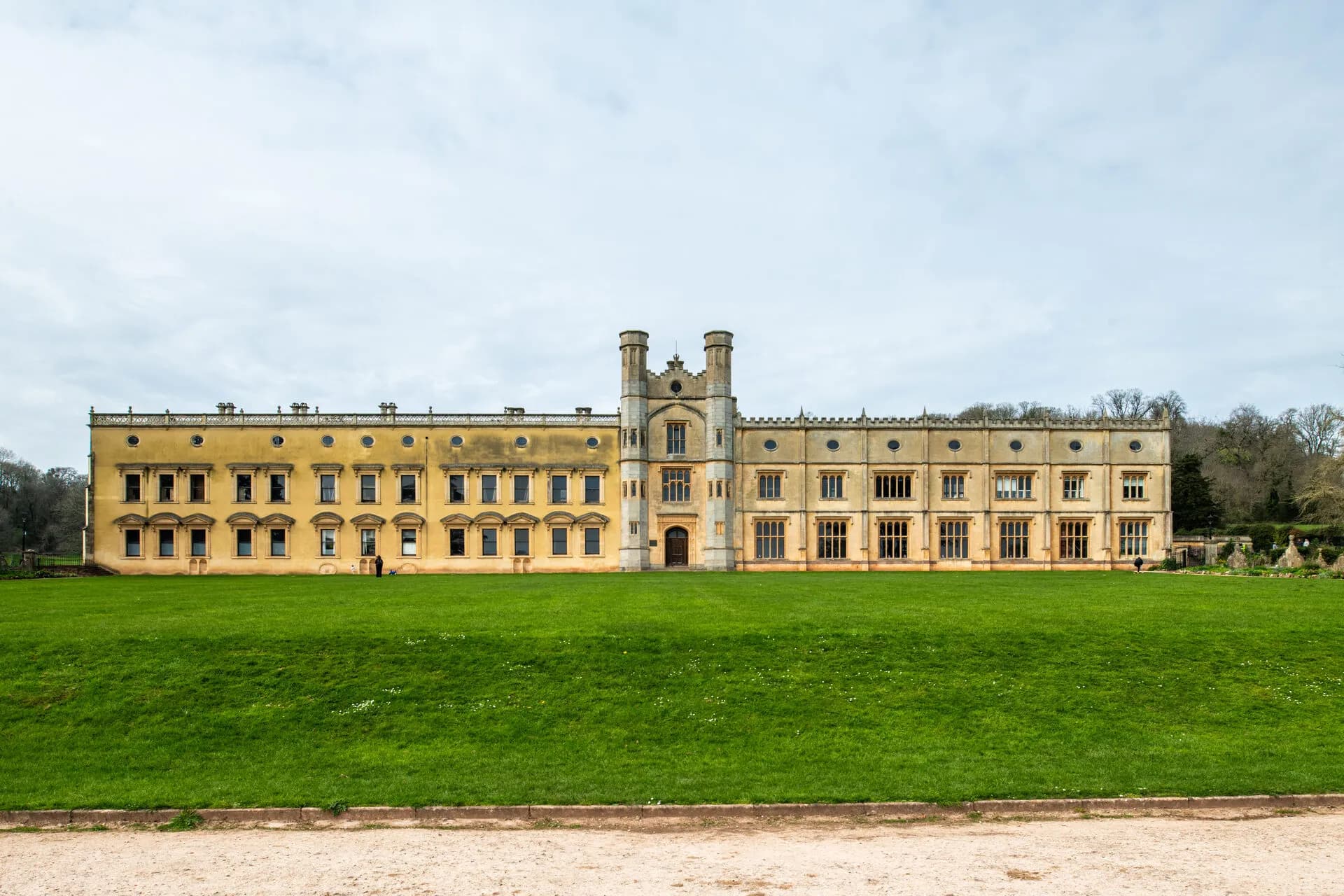
Ashton Court Mansion has been part of Bristol's landscape for more than six centuries. For most of that time, it was a private home, shaped around the lives of a wealthy few.
Now we're working towards something very different.
We want to regenerate the Grade I listed Mansion as a sustainable place people can use, enjoy and help shape. Somewhere to eat, learn, make things, see exhibitions, celebrate, work and spend time. A building with a private past and a much more public future.
But first, there's a lot to do.
Six centuries of change
Ashton Court Mansion dates back to the 14th century. Over hundreds of years, it grew from a fortified manor house into one of the West Country's great country houses, with Elizabethan, Georgian and Victorian additions reflecting the changing tastes and fortunes of its owners.
For more than 400 years, it was home to the Smyth family, whose wealth and influence were closely connected to Bristol's history.
In 1959, the estate passed to Bristol City Council. Its 850 acres of parkland became a public space enjoyed by generations of Bristolians. The Mansion itself, however, faced a more difficult future.
A building at risk
Major repairs in the early 1970s secured parts of the building and brought several principal ground-floor rooms back into use. But the money ran out before the work could be completed.
Today, around three quarters of the Mansion remains internally derelict. Historic panelling and fittings were removed during treatment for dry rot and never reinstated. An arson attack in 2013 caused further damage to the Library in the West Wing.
The Mansion has been on Historic England's Heritage at Risk Register for more than a decade.
Since 2017, Artspace Lifespace and the Friends of Ashton Court Mansion have helped keep parts of the building in use through events, exhibitions and tours. Their work has made an important difference. But securing the whole Mansion's future needs a much bigger plan.
But securing the whole Mansion's future needs a much bigger plan.
A plan for what happens next
In 2019, heritage architects Purcell recommended that an independent charitable trust, working alongside Bristol City Council, would offer the best route to securing the Mansion's future.
That work was taken forward by Norman Routledge, who had spent decades helping to rescue historic buildings across Bristol, including Kings Weston House, The Lamplighters and St Michael on the Mount Without.
Norman brought together people with experience in conservation, business, heritage and community activity, united by the belief that Ashton Court Mansion could have a very different future.
Sadly, Norman died in 2025, before he could see that work come to fruition. His contribution to the Mansion, and to Bristol's historic buildings more widely, remains an important part of our story.
In October 2025, Bristol City Council agreed to enter into a Memorandum of Understanding with the Trust, giving us an exclusive period to develop our plans.
From plans to progress
Since January 2026, we've been carrying out surveys, planning and essential repairs. We're now occupying the Mansion under a tenancy at will, looking after its day-to-day maintenance and opening more of the building for activities and events.
We're also negotiating a 125-year lease with Bristol City Council, which would retain ownership of the freehold.
The organisation originally known as Bristol Historic Buildings Trust has become Ashton Court Mansion Trust, a charitable community benefit society established to focus on the Mansion's future and give people the opportunity to become members through community investment.
Our community share offer launches on 21 October 2026. It's an important step towards raising the funds needed to take on the lease and begin the next phase of work.
There's still a Council decision to come, and the lease has not yet been agreed. We're making progress, but we won't pretend the difficult parts are behind us.
A Mansion with a job to do
Regenerating Ashton Court Mansion isn't about recreating a grand private house as it once was. It's about conserving what makes the building significant while giving its rooms new purposes.
Our plans bring together five areas of activity: Food, Skills, Heritage, Culture, Arts & Wellbeing, and Nature.
That could mean learning to cook, making something with your hands, discovering the Mansion's history, enjoying an exhibition, taking part in a workshop or simply coming inside to see what's happening.
Weddings, events, hospitality, workspaces and other commercial uses will also have an important role. They'll help the Mansion earn its keep, supporting the building and the activities that make it useful to more people.
The full regeneration will take many years and significant investment. For now, our focus is on securing the lease, raising the capital needed to get started and building a sustainable organisation capable of looking after the Mansion for the long term.
Be part of what happens next
There are plenty of ways to get involved. You can visit, volunteer, share a skill, bring an idea, make a donation or invest in the community share offer.
The Mansion has plenty of history. Now let's make some more.
Explore Further
Community
Find out our charitable focus and the five pillars of community benefit.
Trustees
Meet ACMT's team and the people behind the campaign.
Mission & Vision
Read our mission statement and vision for the mansion's future.
Join the Campaign
Help bring Ashton Court Mansion into community ownership.